Home
Home
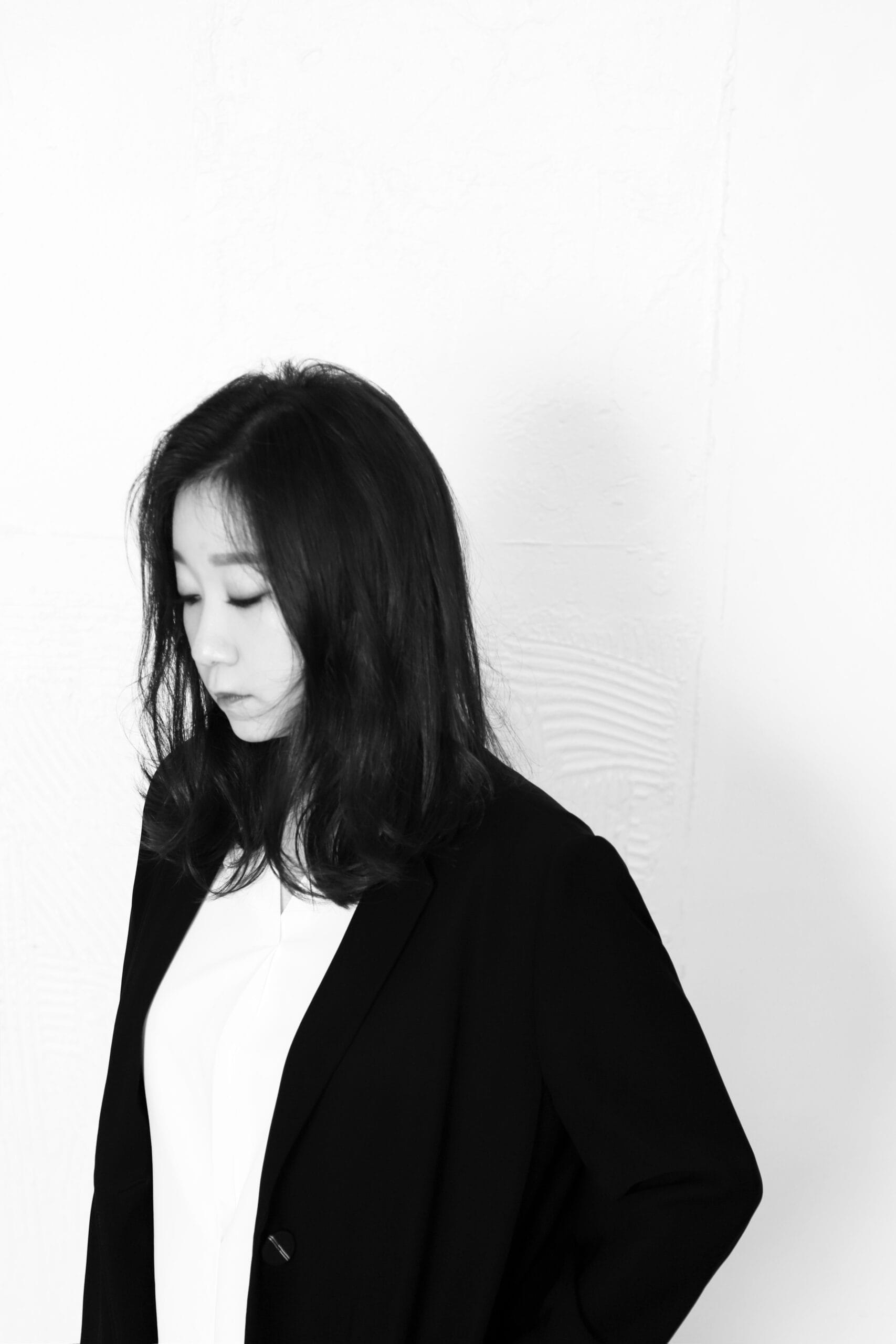
Everyday, Yewon grapples with the reality of her life. She is a young woman out of her job at a convenience store, trapped in the tiny South Korean village when she was born and raised. She watches her mom wash the bones of their ancestors in their old bathtub. Every house has them, these rotting, fragmented bones that never stops reminding them of what they have lost to war. Yeji Y. Ham’s novel, The Invisible Hotel (Bond Street Books $34.00) follows Yewon’s dreams of a mysterious hotel that leads her to uncover unsettling truths about her country’s collective heritage, as she faces one tragedy after the next. Ham’s story begs the vital question: How do we honor and care for our elders without reinforcing a cycle of generational trauma? 9780385698054
+++
The Invisible Hotel
by Yeji Y. Ham (Doubleday $34)
Review by Trevor Carolan (BCBW 2025)
Korean authors have obsessed over the 1950-53 civil war that savaged their country, probing disturbing moral legacies that still lead to such incidents as the shocking declaration of martial law there recently (quickly repealed after popular protest). During the Korean War, Canada sent 26,000 soldiers against the Stalin-backed North Korean and Chinese invaders and 516 gave their lives. In the following years, 250,000 Korean-Canadians settled here.
Yeji Ham’s novel The Invisible Hotel confronts the residual trauma of that conflict, serving as a counterpoint to North America’s fascination with Korean culture. Readers won’t mistake the book’s gruesome impact for Seoul’s trendy boy bands, soap operas and films: the Oscar-winning Parasite, the critically acclaimed TV series Pachinko, or rapper Psy’s hit song “Gangnam Style.” There’s an echo of Edgar Allen Poe in Ham’s novel that intones throughout her macabre tale.
The story begins with yeji ham’s university student narrator’s last day at a small-town convenience store job and someone with a North Korean dialect who needs a ride. Luckily, the narrator can borrow her elder sister’s car.
At home, life’s a mess: there’s a constant stink, rusted door handles and unpleasant associations. An elderly neighbour with a ravaged face roams the alleys lugging heavy doors. Inside, the mother gripes endlessly about needing more sponges for her obsessive bathroom washing of human bones. Not explained by Ham is the old East Asian custom of cleaning and preserving ancestor bones in ceramic jars during unstable times so they could travel with the family. Bones overwhelm this story as honouring one’s ancestors remains a core virtue in South Korea and throughout the Korean diaspora, too. However, nowadays, cremated ashes are often interred in large family burial mounds that are the focus of seasonal Confucian ceremonies.
The narrator’s mother worries about her son, Jae-hyun. “Please keep him safe,” the mother prays to the bones. Newly conscripted, Jae-hyun is serving in a front line army unit near the North Korean border, a deadly flashpoint. Angst is what you breathe here. Nobody is really happy.
Yet outside, grandmothers and aging aunties sit in front of shops, chatting and eternally cleaning dried fish and chopping greens for making kimchi pickle: “Their hands always stayed busy, working with whatever each season brought to them, preparing for what would come.”
The narrator yearns, we learn, to move to Seoul with her friend. Money is an issue, though; city rents are exorbitant. So the younger generation spend their time talking about the latest rom-coms, new theatres with comfy leather seats, about rib eye sandwiches and Thai soup in town. They scroll nighttime photo views of Seoul, gold glitter on red manicures—artificial fingernails “impossible to look away from.” There might even be a blind date ahead. These are girls used to spraying each other with Febreze before going out to mask the haunting smells of home, where births take place in bathtubs after the bones are washed. Being young there, we’re told, what you crave is a decent hot bath. With all the symbolism and no-exit imagery, readers might wonder exactly where we’re headed.
Real-life Seoul is a well functioning city where any space that a tree can be planted is greened, yet everyone knows it could vanish in a blink. Two hours’ drive north lies the border with a psychotic, belligerent state where terrorism is unleashed with impunity. Might those bones at home be associated with South Korea’s pervading existential fear and dread? Allegorical passages abound in Ham’s story: recurrent dream sequences that lead to a kind of “invisible hotel”—a haunted place of many rooms and faces with no one in charge; and the old madman tirelessly carrying doors, seeking to rebuild a shattered landscape keeps reappearing. Young and aged alike are infected with confusion and grief. Even modernity is a shadow play between the real and surreal, Ham suggests.
The mysterious woman needing a ride is Ms. Han, an escapee from North Korea. Thousands of North Koreans risk their lives to flee via China—you might meet them in Beijing or Dalian; but don’t ask the women what horrors they might have endured enroute. “In the North,” says Ms. Han, “you can’t leave your hometown without a special permit. You die where you are born.”
Ham presents well drawn images of Korean domestic life, especially of food; the legacy of former wartime starvation lingers eternally. There’s neighbourhood gossip and the stories flow, slowly clarifying past nightmares. In Seoul that blind date becomes a definite maybe, and the narrator locates a decent apartment, “finally a bath inside a bathtub.” Yet the stench of bones has already crept in. War trauma, she intuits, is sublimated, portable. Born into it, your life will be lived conditionally—there’s no escape.
When a stark, disruptive event creates real terror, the narrative becomes a crowded memory camp of bad dreams, photographs, everyone included. Without release from our birth conditions, is redemption conceivable? Perhaps.
Surprisingly, it’s the voice of a deceased father that intervenes, intimating, “You can be whoever you want to be.” There are conditions, naturally. As folk-singing legend Pete Seeger used to preach, even when the dogs of chaos and brutality are barking, “It’s community that will save us.” In dystopian times, looks like more than ever we still need each other. 9780385698054
Trevor Carolan’s anthologies of Asian fiction include The Colours of Heaven (Vintage, 1992), Another Kind of Paradise (Cheng & Tsui, 2009) and The Lotus Singers (Cheng & Tsui, 2011).
BOOKS:
The Invisible Hotel (Bond Street Books, 2024) $34.00 9780385698054
[BCBW 2024]
+++
The Invisible Hotel
by Yeji Y. Ham (Doubleday $34)
Review by Trevor Carolan (BCBW 2025)
Korean authors have obsessed over the 1950-53 civil war that savaged their country, probing disturbing moral legacies that still lead to such incidents as the shocking declaration of martial law there recently (quickly repealed after popular protest). During the Korean War, Canada sent 26,000 soldiers against the Stalin-backed North Korean and Chinese invaders and 516 gave their lives. In the following years, 250,000 Korean-Canadians settled here.
Yeji Ham’s novel The Invisible Hotel confronts the residual trauma of that conflict, serving as a counterpoint to North America’s fascination with Korean culture. Readers won’t mistake the book’s gruesome impact for Seoul’s trendy boy bands, soap operas and films: the Oscar-winning Parasite, the critically acclaimed TV series Pachinko, or rapper Psy’s hit song “Gangnam Style.” There’s an echo of Edgar Allen Poe in Ham’s novel that intones throughout her macabre tale.
The story begins with yeji ham’s university student narrator’s last day at a small-town convenience store job and someone with a North Korean dialect who needs a ride. Luckily, the narrator can borrow her elder sister’s car.
At home, life’s a mess: there’s a constant stink, rusted door handles and unpleasant associations. An elderly neighbour with a ravaged face roams the alleys lugging heavy doors. Inside, the mother gripes endlessly about needing more sponges for her obsessive bathroom washing of human bones. Not explained by Ham is the old East Asian custom of cleaning and preserving ancestor bones in ceramic jars during unstable times so they could travel with the family. Bones overwhelm this story as honouring one’s ancestors remains a core virtue in South Korea and throughout the Korean diaspora, too. However, nowadays, cremated ashes are often interred in large family burial mounds that are the focus of seasonal Confucian ceremonies.
The narrator’s mother worries about her son, Jae-hyun. “Please keep him safe,” the mother prays to the bones. Newly conscripted, Jae-hyun is serving in a front line army unit near the North Korean border, a deadly flashpoint. Angst is what you breathe here. Nobody is really happy.
Yet outside, grandmothers and aging aunties sit in front of shops, chatting and eternally cleaning dried fish and chopping greens for making kimchi pickle: “Their hands always stayed busy, working with whatever each season brought to them, preparing for what would come.”
The narrator yearns, we learn, to move to Seoul with her friend. Money is an issue, though; city rents are exorbitant. So the younger generation spend their time talking about the latest rom-coms, new theatres with comfy leather seats, about rib eye sandwiches and Thai soup in town. They scroll nighttime photo views of Seoul, gold glitter on red manicures—artificial fingernails “impossible to look away from.” There might even be a blind date ahead. These are girls used to spraying each other with Febreze before going out to mask the haunting smells of home, where births take place in bathtubs after the bones are washed. Being young there, we’re told, what you crave is a decent hot bath. With all the symbolism and no-exit imagery, readers might wonder exactly where we’re headed.
Real-life Seoul is a well functioning city where any space that a tree can be planted is greened, yet everyone knows it could vanish in a blink. Two hours’ drive north lies the border with a psychotic, belligerent state where terrorism is unleashed with impunity. Might those bones at home be associated with South Korea’s pervading existential fear and dread? Allegorical passages abound in Ham’s story: recurrent dream sequences that lead to a kind of “invisible hotel”—a haunted place of many rooms and faces with no one in charge; and the old madman tirelessly carrying doors, seeking to rebuild a shattered landscape keeps reappearing. Young and aged alike are infected with confusion and grief. Even modernity is a shadow play between the real and surreal, Ham suggests.
The mysterious woman needing a ride is Ms. Han, an escapee from North Korea. Thousands of North Koreans risk their lives to flee via China—you might meet them in Beijing or Dalian; but don’t ask the women what horrors they might have endured enroute. “In the North,” says Ms. Han, “you can’t leave your hometown without a special permit. You die where you are born.”
Ham presents well drawn images of Korean domestic life, especially of food; the legacy of former wartime starvation lingers eternally. There’s neighbourhood gossip and the stories flow, slowly clarifying past nightmares. In Seoul that blind date becomes a definite maybe, and the narrator locates a decent apartment, “finally a bath inside a bathtub.” Yet the stench of bones has already crept in. War trauma, she intuits, is sublimated, portable. Born into it, your life will be lived conditionally—there’s no escape.
When a stark, disruptive event creates real terror, the narrative becomes a crowded memory camp of bad dreams, photographs, everyone included. Without release from our birth conditions, is redemption conceivable? Perhaps.
Surprisingly, it’s the voice of a deceased father that intervenes, intimating, “You can be whoever you want to be.” There are conditions, naturally. As folk-singing legend Pete Seeger used to preach, even when the dogs of chaos and brutality are barking, “It’s community that will save us.” In dystopian times, looks like more than ever we still need each other. 9780385698054
Trevor Carolan’s anthologies of Asian fiction include The Colours of Heaven (Vintage, 1992), Another Kind of Paradise (Cheng & Tsui, 2009) and The Lotus Singers (Cheng & Tsui, 2011).
BOOKS:
The Invisible Hotel (Bond Street Books, 2024) $34.00 9780385698054
[BCBW 2024]