Home
Home
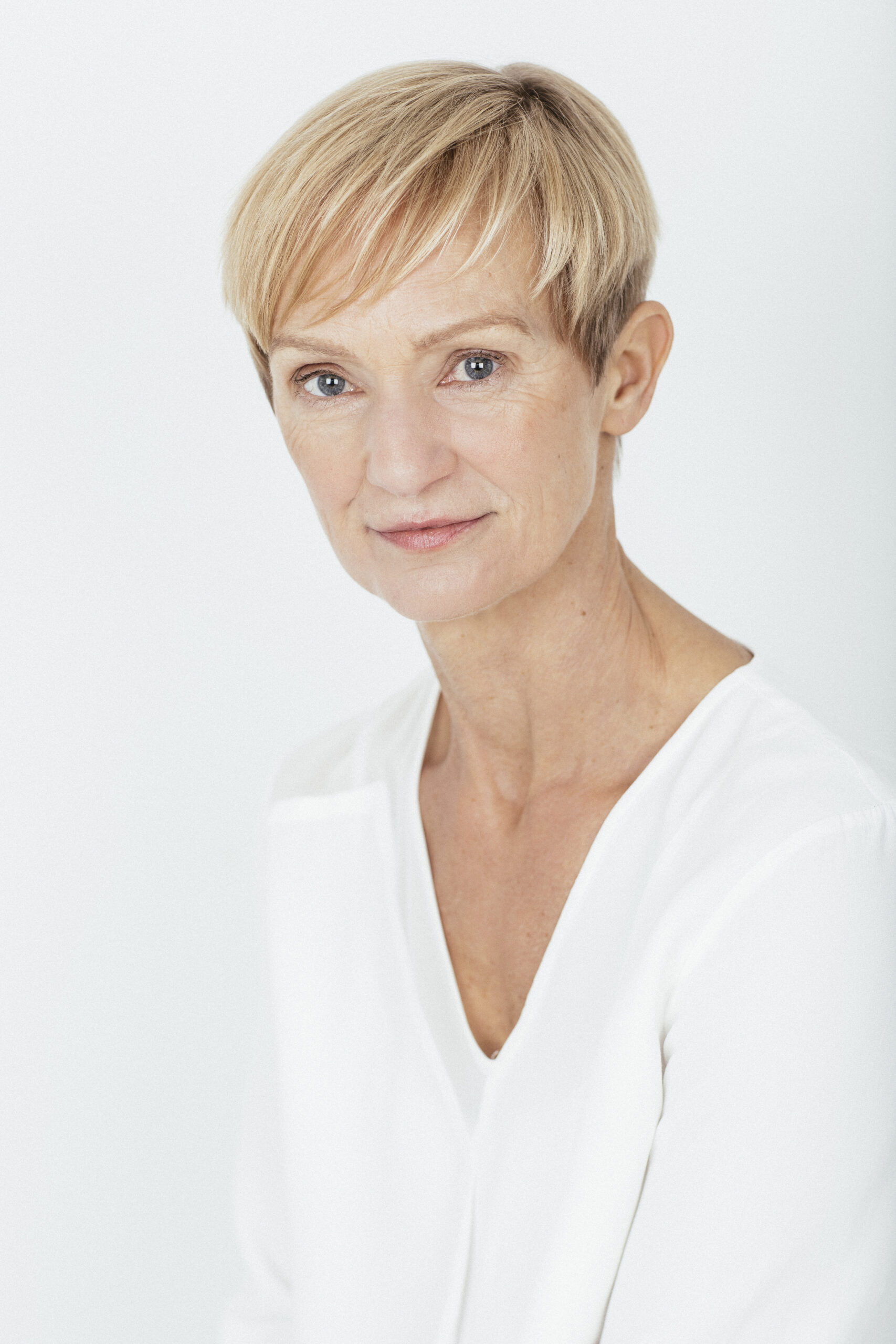
Meg Todd grew up in the Alberta prairies. She is a two-time finalist for the CBC Short Story Prize, and her work has appeared in Ploughshares, Prairie Fire, PRISM international and elsewhere. Her debut short story collection, Exit Strategies, was a finalist for both the ReLit Award and the Danuta Gleed Literary Award. She holds an MFA in Creative Writing from the University of British Columbia and a BA in Religious Studies from the University of Calgary. She lives on Vancouver Island.
The central question in Meg Todd’s debut novel Most Grievous Fault (Nightwood Editions, 2025) is whether someone born and raised with all the cards stacked against them can change their life. How is it possible to get help when the idea of help is frightening because subconsciously you are convinced of your own guilt? Twenty-nine-year-old Crystal Constantine is a single parent who cannot see beyond the piles of bills, the threat of eviction, the weight of her past and the relentless needs of her teenage daughter Becky. How can she not drink? How can she not hit? Most Grievous Faultis a powerful portrait of motherhood, generational wounds and the complexities of the social welfare system.
Meg Todd’s short story collection Exit Strategies (Signature Editions, 2021) was a finalist for the Relit Award, as well as the Danuta Gleed Literary Award, where judges said, “Eloquent and understated at the same time, each of the stories in Exit Strategies creates a universe that immerses the reader in the lives of complex characters undergoing difficult circumstances. Written in the tradition of the finest contemporary western literature, these short stories explore the quotidian with insight and compassion and, in doing so, speak to universal issues and themes.” A former actuary with a head injury which has robbed her of her mental acuity takes a job caring for a defiant farmer who is facing the decline of his body and his property; an elderly Belgian woman refuses to continue a road trip in BC when her soon-to-be-Canadian son and his dollhouse-obsessed girlfriend stop to help a stranded motorist; an intellectually disabled woman kidnaps three Black children and has the happiest day of her life. This collection gives voice to characters who are not always heard.
***
Most Grievous Fault
by Meg Todd
(Nightwood $24.95)
Review by Carellin Brook (BCBW 2025)
Reader, take heed. Most Grievous Fault is a terrible book—but I mean that in the best way, in the sense that the situations described are distressingly bad.
The title references a prayer to which the protagonist’s daughter, then the main character herself, turns. But it also addresses the question of why. Why are we the way we are? Why do we sometimes make such terrible choices? Is it our fault? And even if it is, can anyone else be blamed?
The heroine of this novel, Crystal Constantine, has more than one fault. She drinks copiously, hits and then soothes her teenage daughter and lashes out at the police who come to check on them. Still, she hasn’t hit bottom—not quite yet. When we first encounter Crystal, she’s working as a maid in a suburban motel—perhaps the best thing about her life. Work offers stability, an affirmation of her worth and the love of a fellow worker, Sara, who lives in hope that their friendship will turn romantic.
The other best, and also difficult, thing about Crystal’s life is her neurodivergent daughter, Becky. Becky is newly enrolled in a Catholic school that her mom’s longtime mentor hopes will bring some structure to the pair’s chaotic life. And, miraculously, the move seems to work. Becky catches religion and Crystal catches the eye of a man on the bus who’s looking for a wife. Everything seems to be going so well.
Until it doesn’t, mostly because of Crystal’s childish inability to tell the truth. Crystal lies as kids do, instinctively, without thought for tomorrow or for the further complications that will ensue. She never lets her coworker Sara know that far from contemplating a future with her, she’s actually planning on marrying a man. She never lets her new fiancé know she’s actually a mom. She never lets her difficulty making rent stop her from signing up for payments on a new car, a wedding dress (before there’s even a wedding), a “free” computer with monthly Internet payments. She never tells her mentor, Jean, that the engine of the old car Jean lent her seized up when Crystal forgot, despite Jean’s reminders, to check the oil. Best not let Jean know that Crystal is now on the hook for thousands of dollars in repairs, either.
Of course, the truth will out and when it does she goes on the offensive. “I don’t know. Whatever. It’s not like it’s my fault. What was I supposed to do? The guy at the garage even said that. Black smoke, it scared the shit out of Becks and me. FYI. I mean. You gave it to me.”
Crystal’s inability to tell or even face the truth is matched by her daughter’s stammering inability to shape a whole sentence. But Becky has talent, too. When she sings the solo in the Christmas concert, her mother marvels. “Becksie! Her little voice which wasn’t little at all but was clear, and high. And perfect.”
When her lies begin to multiply and spiral out of control, however, Crystal sends Becky off to live with her own mother, Milly. Like so many of her solutions, this one is makeshift and morally questionable at best. Milly wasn’t the greatest of mothers, especially after Crystal’s father died and an abuser entered the picture. “A normal mother would have put her foot down, would make sure you don’t see him [the abuser] again. But she isn’t normal. She isn’t there. She isn’t in the room.”
Why is Crystal like she is? Here is where the real genius of this story reveals itself. We learn in the fits and starts of Crystal’s own spiralling thoughts how her mother checked out with drink the same way Crystal does now; how her dad died; how Crystal met “him”—the guy who would not only take her himself but lend her to other guys, leaving her pregnant with Becky as a teenager. To say that Crystal has not “dealt with” her experience of sexual violence is an understatement. She hasn’t allowed herself to be touched since. Not by Sara, not by her fiancé Tim, certainly not by the phone sex work she does on the side in order to make the money for the extra bills she racks up.
Instead, Crystal drinks. “All she wanted, all she was looking for, was something good. Something in her life that made her happy. Then she thought about the bottle under her sink which would be there waiting for her. Winking. I am your friend. I’ll make you happy. You can count on me!”
There are brief glimmers of hope in these pages; too few to lighten this read but, nonetheless, enough to save it from being unremittingly bleak. Crystal keeps going back to work, no matter how devastated her life. She drinks catastrophically, but doesn’t use other drugs. She doesn’t drive the new car when she’s drunk. She eventually realizes, then attests to, her mentor’s real help when Crystal was pregnant and on the street. And in the crisis, Crystal’s motherhood crystallizes and she claims her daughter, even if pages later, amidst her self-pity, frustration and poor impulse control, she’s once again pummelling the teen.
I wished I could picture Crystal in this novel. Not describing her appearance may have been a deliberate choice on the author, Meg Todd’s part (there’s no one look of poverty and alcoholic despair), but I wanted to see how others might be drawn to her despite her bleak circumstances. Instead, we get a few sparse details—the makeup she wears, how, when she tries on a wedding dress, her waist is small enough to span with her hands.
After hundreds of pages of Crystal’s equivocations, Crystal’s rationalizations, Crystal’s nightly blurring into sloppy oblivion, Most Grievous Fault ends abruptly. Crystal suddenly realizes the source of Becky’s brain damage: her. But Crystal’s not the first mom to harm her child. A social worker puts it precisely when she says to Crystal: “Your mom. She drank when she was pregnant, didn’t she?” People who are damaged can’t make good choices, or rarely. Crystal has passed on the damage she suffered in the womb to her own daughter. A fault in a crystal is a misarrangement in the otherwise perfect symmetry of its structure. Crystal may be imperfect, but she does offer the clarity of a prism, one through which to view our own fractured world. 9780889714984
Carellin Brooks is the author of five books including her most recent, a poetry collection titled Learned (Book*hug, 2022). She lives in Vancouver.
Books:
Most Grievous Fault (Nightwood, 2025) $24.95 9780889714984
Exit Strategies (Signature, 2021) $19.95 9781773240954
[BCBW 2025]
The central question in Meg Todd’s debut novel Most Grievous Fault (Nightwood Editions, 2025) is whether someone born and raised with all the cards stacked against them can change their life. How is it possible to get help when the idea of help is frightening because subconsciously you are convinced of your own guilt? Twenty-nine-year-old Crystal Constantine is a single parent who cannot see beyond the piles of bills, the threat of eviction, the weight of her past and the relentless needs of her teenage daughter Becky. How can she not drink? How can she not hit? Most Grievous Faultis a powerful portrait of motherhood, generational wounds and the complexities of the social welfare system.
Meg Todd’s short story collection Exit Strategies (Signature Editions, 2021) was a finalist for the Relit Award, as well as the Danuta Gleed Literary Award, where judges said, “Eloquent and understated at the same time, each of the stories in Exit Strategies creates a universe that immerses the reader in the lives of complex characters undergoing difficult circumstances. Written in the tradition of the finest contemporary western literature, these short stories explore the quotidian with insight and compassion and, in doing so, speak to universal issues and themes.” A former actuary with a head injury which has robbed her of her mental acuity takes a job caring for a defiant farmer who is facing the decline of his body and his property; an elderly Belgian woman refuses to continue a road trip in BC when her soon-to-be-Canadian son and his dollhouse-obsessed girlfriend stop to help a stranded motorist; an intellectually disabled woman kidnaps three Black children and has the happiest day of her life. This collection gives voice to characters who are not always heard.
***
Most Grievous Fault
by Meg Todd
(Nightwood $24.95)
Review by Carellin Brook (BCBW 2025)
Reader, take heed. Most Grievous Fault is a terrible book—but I mean that in the best way, in the sense that the situations described are distressingly bad.
The title references a prayer to which the protagonist’s daughter, then the main character herself, turns. But it also addresses the question of why. Why are we the way we are? Why do we sometimes make such terrible choices? Is it our fault? And even if it is, can anyone else be blamed?
The heroine of this novel, Crystal Constantine, has more than one fault. She drinks copiously, hits and then soothes her teenage daughter and lashes out at the police who come to check on them. Still, she hasn’t hit bottom—not quite yet. When we first encounter Crystal, she’s working as a maid in a suburban motel—perhaps the best thing about her life. Work offers stability, an affirmation of her worth and the love of a fellow worker, Sara, who lives in hope that their friendship will turn romantic.
The other best, and also difficult, thing about Crystal’s life is her neurodivergent daughter, Becky. Becky is newly enrolled in a Catholic school that her mom’s longtime mentor hopes will bring some structure to the pair’s chaotic life. And, miraculously, the move seems to work. Becky catches religion and Crystal catches the eye of a man on the bus who’s looking for a wife. Everything seems to be going so well.
Until it doesn’t, mostly because of Crystal’s childish inability to tell the truth. Crystal lies as kids do, instinctively, without thought for tomorrow or for the further complications that will ensue. She never lets her coworker Sara know that far from contemplating a future with her, she’s actually planning on marrying a man. She never lets her new fiancé know she’s actually a mom. She never lets her difficulty making rent stop her from signing up for payments on a new car, a wedding dress (before there’s even a wedding), a “free” computer with monthly Internet payments. She never tells her mentor, Jean, that the engine of the old car Jean lent her seized up when Crystal forgot, despite Jean’s reminders, to check the oil. Best not let Jean know that Crystal is now on the hook for thousands of dollars in repairs, either.
Of course, the truth will out and when it does she goes on the offensive. “I don’t know. Whatever. It’s not like it’s my fault. What was I supposed to do? The guy at the garage even said that. Black smoke, it scared the shit out of Becks and me. FYI. I mean. You gave it to me.”
Crystal’s inability to tell or even face the truth is matched by her daughter’s stammering inability to shape a whole sentence. But Becky has talent, too. When she sings the solo in the Christmas concert, her mother marvels. “Becksie! Her little voice which wasn’t little at all but was clear, and high. And perfect.”
When her lies begin to multiply and spiral out of control, however, Crystal sends Becky off to live with her own mother, Milly. Like so many of her solutions, this one is makeshift and morally questionable at best. Milly wasn’t the greatest of mothers, especially after Crystal’s father died and an abuser entered the picture. “A normal mother would have put her foot down, would make sure you don’t see him [the abuser] again. But she isn’t normal. She isn’t there. She isn’t in the room.”
Why is Crystal like she is? Here is where the real genius of this story reveals itself. We learn in the fits and starts of Crystal’s own spiralling thoughts how her mother checked out with drink the same way Crystal does now; how her dad died; how Crystal met “him”—the guy who would not only take her himself but lend her to other guys, leaving her pregnant with Becky as a teenager. To say that Crystal has not “dealt with” her experience of sexual violence is an understatement. She hasn’t allowed herself to be touched since. Not by Sara, not by her fiancé Tim, certainly not by the phone sex work she does on the side in order to make the money for the extra bills she racks up.
Instead, Crystal drinks. “All she wanted, all she was looking for, was something good. Something in her life that made her happy. Then she thought about the bottle under her sink which would be there waiting for her. Winking. I am your friend. I’ll make you happy. You can count on me!”
There are brief glimmers of hope in these pages; too few to lighten this read but, nonetheless, enough to save it from being unremittingly bleak. Crystal keeps going back to work, no matter how devastated her life. She drinks catastrophically, but doesn’t use other drugs. She doesn’t drive the new car when she’s drunk. She eventually realizes, then attests to, her mentor’s real help when Crystal was pregnant and on the street. And in the crisis, Crystal’s motherhood crystallizes and she claims her daughter, even if pages later, amidst her self-pity, frustration and poor impulse control, she’s once again pummelling the teen.
I wished I could picture Crystal in this novel. Not describing her appearance may have been a deliberate choice on the author, Meg Todd’s part (there’s no one look of poverty and alcoholic despair), but I wanted to see how others might be drawn to her despite her bleak circumstances. Instead, we get a few sparse details—the makeup she wears, how, when she tries on a wedding dress, her waist is small enough to span with her hands.
After hundreds of pages of Crystal’s equivocations, Crystal’s rationalizations, Crystal’s nightly blurring into sloppy oblivion, Most Grievous Fault ends abruptly. Crystal suddenly realizes the source of Becky’s brain damage: her. But Crystal’s not the first mom to harm her child. A social worker puts it precisely when she says to Crystal: “Your mom. She drank when she was pregnant, didn’t she?” People who are damaged can’t make good choices, or rarely. Crystal has passed on the damage she suffered in the womb to her own daughter. A fault in a crystal is a misarrangement in the otherwise perfect symmetry of its structure. Crystal may be imperfect, but she does offer the clarity of a prism, one through which to view our own fractured world. 9780889714984
Carellin Brooks is the author of five books including her most recent, a poetry collection titled Learned (Book*hug, 2022). She lives in Vancouver.
Books:
Most Grievous Fault (Nightwood, 2025) $24.95 9780889714984
Exit Strategies (Signature, 2021) $19.95 9781773240954
[BCBW 2025]